
Home inspections often uncover chimney issues that homeowners didn’t realize existed. Because much of the chimney system is hidden from view, problems can go unnoticed until a sale, insurance review, or inspection brings them to light. Understanding the most common reasons chimneys fail home inspections can help homeowners address issues early and avoid delays or unexpected repairs.
Cracked or Damaged Chimney Liners
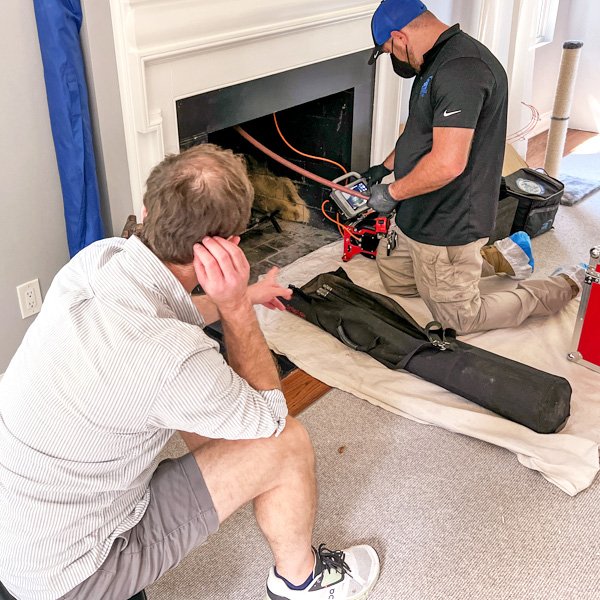
One of the most common inspection failures involves damaged or deteriorated chimney liners. Cracks, gaps, or missing liner sections can allow heat and combustion byproducts to reach surrounding materials, creating serious safety concerns. These issues are frequently discovered during a Level 2 chimney inspection, which uses camera equipment to examine the interior of the flue.
Masonry Deterioration and Missing Mortar
Brick chimneys are constantly exposed to weather, moisture, and temperature changes. Over time, this exposure can cause mortar joints to deteriorate, bricks to crack, or sections of the chimney to weaken. Inspectors often flag loose or missing mortar as a structural concern that should be repaired before a home sale can move forward.
Missing or Damaged Chimney Caps
A missing or damaged chimney cap is a very common inspection finding. Without a properly installed cap, rainwater, animals, and debris can enter the chimney, accelerating deterioration and increasing the risk of blockages. Inspectors frequently recommend chimney cap installation to prevent further damage and protect the system.
Excessive Creosote Buildup
Creosote is a highly flammable byproduct of burning wood that builds up inside chimney flues over time. Heavy creosote accumulation increases the risk of chimney fires and is often cited in inspection reports. Regular chimney cleaning and sweeping help reduce this risk and allow problems to be identified before inspections occur.
When a Level 2 Chimney Inspection Is Required
Many home buyers, lenders, and inspectors require a Level 2 chimney inspection when a property changes ownership or when a chimney system shows signs of damage. These inspections provide a detailed evaluation of the chimney’s interior and structure, helping identify hidden issues that may not be visible during a basic inspection.
Addressing Chimney Issues Before They Delay a Sale
Chimney inspection issues don’t always mean a deal is lost, but they do need to be addressed properly. Resolving chimney problems early helps protect the home, meet inspection requirements, and keep real estate transactions moving forward. Working with a professional chimney service ensures issues are evaluated accurately and repaired correctly.